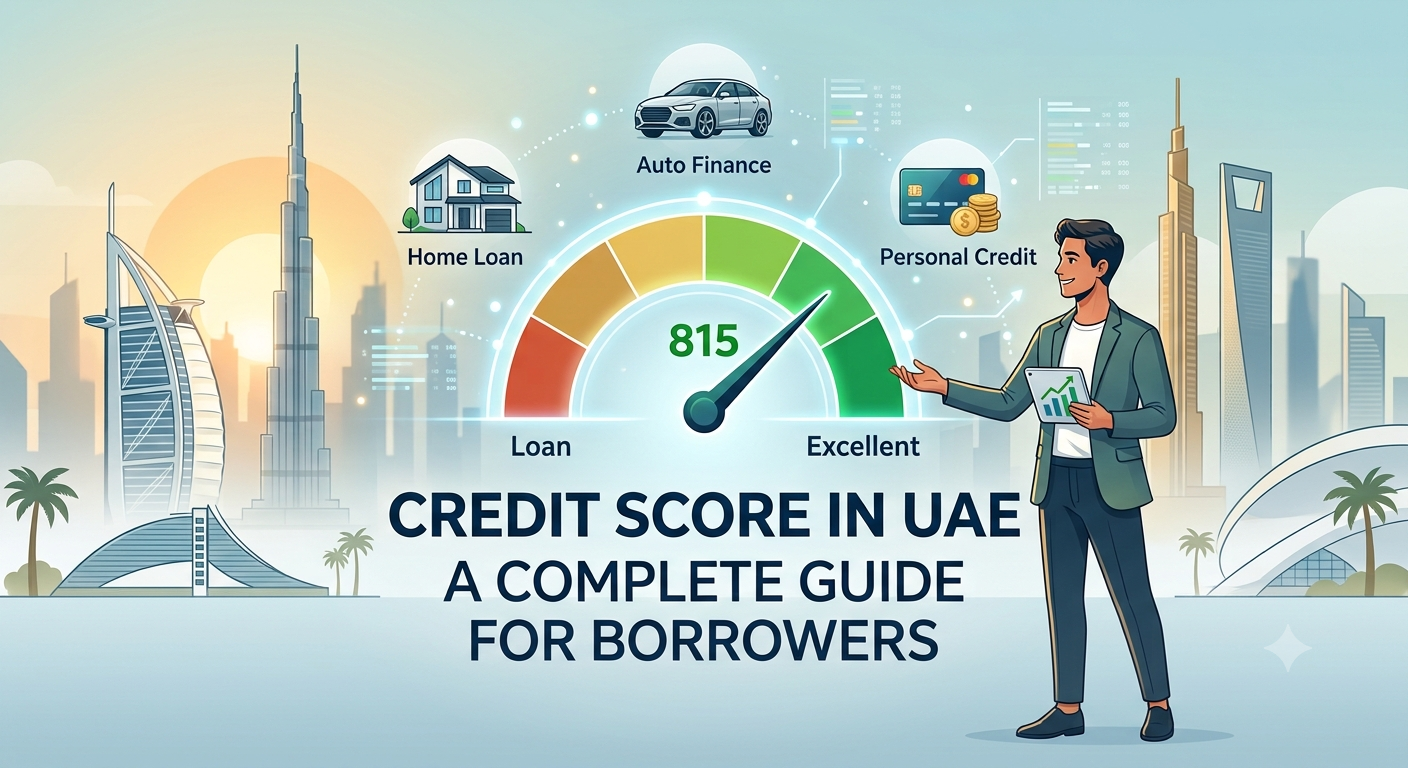
Getting a bank loan rejected can feel frustrating, especially when you’ve already planned how to use the funds. Whether it’s for a business expansion, home purchase, or personal needs, a rejection can disrupt your financial plans. But the truth is, a loan rejection is not the end—it’s a signal that something needs improvement.
Understanding Why Your Bank Loan Was Rejected

Banks don’t randomly reject applications. Every decision is based on risk assessment. When your bank loan is rejected, it usually means the lender sees a higher risk in approving your request.
The most common reason is your credit profile. If your credit score is low or inconsistent, banks assume you may struggle to repay. A history of late payments, defaults, or high credit utilization can directly impact your approval chances.
Another major factor is income stability. Banks want assurance that you have a steady and sufficient income source. If your salary is irregular, too low compared to the loan amount, or not properly documented, it increases the chances of rejection.
Existing liabilities also play a role. If you already have multiple loans or high EMIs, banks may consider you over-leveraged. This reduces your repayment capacity in their eyes.
Documentation errors are another overlooked reason. Even a small mismatch in income proof, identity details, or employment records can lead to rejection.
Impact of Loan Rejection on Your Financial Profile
A bank loan rejection does more than just delay your plans—it can also affect your financial credibility.
Each time you apply for a loan, the bank performs a credit inquiry. Multiple rejections within a short period can lower your credit score and signal desperation to lenders. This makes future approvals even harder.
It also reduces your confidence as a borrower. Many people hesitate to reapply after facing rejection, which can slow down their financial growth or business plans.
However, if handled correctly, a rejection can actually help you build a stronger financial foundation.
Key Reasons Behind “Bank Loan Rejected” Cases
- Low Credit Score
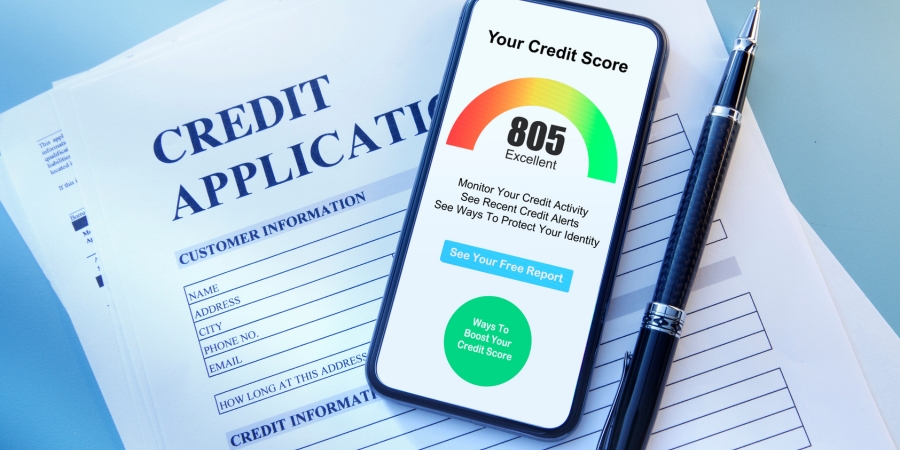
Your credit score is one of the first things lenders check. A score below the acceptable range makes you a risky borrower. - High Debt-to-Income Ratio
If a large portion of your income goes toward existing EMIs, banks may doubt your ability to manage additional debt. - Unstable Employment or Business Income
Frequent job changes, inconsistent income, or a new business without financial history can lead to rejection. - Poor Credit History
Missed payments, defaults, or settlements in the past negatively impact your application. - Insufficient Documentation
Missing or incorrect documents can lead to immediate rejection without detailed review. - Loan Amount Mismatch
Applying for a loan amount that doesn’t match your income or repayment capacity is another common mistake.
What to Do After Your Bank Loan Is Rejected
Instead of reapplying immediately, take a strategic approach. The first step is to understand the exact reason for rejection. You can request clarification from the bank or check your credit report.
Once you identify the issue, work on fixing it. For example, if your credit score is low, focus on improving it by paying bills on time and reducing outstanding debt.
If your income is the problem, consider applying for a lower loan amount or adding a co-applicant with a stronger financial profile.
You should also avoid applying to multiple lenders at the same time. This creates multiple credit inquiries, which can further reduce your chances of approval.
How to Improve Your Chances of Loan Approval
Improving your loan eligibility is a gradual process, but it’s highly effective if done correctly.
Start by maintaining a healthy credit score. Pay all EMIs and credit card bills on time, and keep your credit utilization below 30%. This shows financial discipline.
Next, focus on reducing your existing debt. Lower liabilities improve your debt-to-income ratio and make you more attractive to lenders.
Ensure your income is well-documented. Salaried individuals should maintain proper salary slips and bank statements, while business owners should keep financial records updated.
Adding a co-applicant or guarantor can significantly improve your chances. A financially strong co-applicant reduces the lender’s risk.
You can also consider secured loans. Offering collateral like property or fixed deposits increases the likelihood of approval.
Common Mistakes to Avoid When Reapplying
One of the biggest mistakes borrowers make is reapplying immediately after rejection without fixing the underlying issue. This only increases the chances of another rejection.
Another mistake is applying for multiple loans simultaneously. It may seem like increasing your chances, but it actually harms your credit profile.
Providing inaccurate or incomplete information is also a major issue. Always double-check your application details before submission.
Ignoring your credit report is another mistake. Many borrowers are unaware of errors in their credit report that may be affecting their approval.
Alternative Options If Your Bank Loan Is Rejected
If your bank loan is rejected, you still have several options to explore.
You can approach non-banking financial companies (NBFCs), which often have more flexible criteria compared to traditional banks.
Peer-to-peer lending platforms are another alternative, especially for individuals with moderate credit scores.
If you own assets, you can consider secured loans like a loan against property or gold loan. These options usually have higher approval rates.
You can also explore personal loans with smaller amounts and shorter tenures, which are easier to get approved.
How Long Should You Wait Before Reapplying?
There is no fixed rule, but ideally, you should wait at least 3 to 6 months before reapplying. This gives you enough time to improve your credit score, stabilize your income, and correct any issues in your financial profile.
During this period, focus on building a strong repayment history and reducing your liabilities. When you reapply, your profile should show clear improvement.
Tips for First-Time Borrowers

If you are applying for a loan for the first time, planning ahead can prevent rejection.
Start by building a credit history. Even a small credit card with timely payments can help establish your profile.
Avoid taking unnecessary loans or maxing out your credit limit. Keep your financial behavior consistent and disciplined.
Choose the right loan type and amount based on your income. Overestimating your eligibility is a common mistake among first-time borrowers.
Turn Your Loan Rejection into Approval with Expert Financial Consulting in UAE

A bank loan rejected situation doesn’t have to stop your financial goals—it just means you need the right strategy. In the UAE, loan approvals depend on multiple factors like credit profile, income structure, and documentation accuracy, and even a small mistake can lead to rejection. Our financial consulting services are designed to identify exactly where your application went wrong and fix it effectively. We guide you step-by-step, from improving your credit profile and managing liabilities to preparing strong documentation and choosing the right lender based on your profile. Whether you need a business loan, personal loan, home loan, or complete financial guidance, we help you approach the process with clarity and confidence. With the right support, your rejection can quickly turn into a successful loan approval.
Key Learnings
Facing a bank loan rejected situation can be disappointing, but it’s not permanent. It’s an opportunity to understand your financial weaknesses and improve them.
With the right approach—better credit management, reduced debt, proper documentation, and strategic reapplication—you can significantly increase your chances of approval.
Instead of rushing into another application, take time to strengthen your profile. A well-prepared application not only improves approval chances but also helps you secure better interest rates and terms.
FAQs

1. Why was my bank loan rejected?
Your loan may be rejected due to low credit score, insufficient income, or high existing debt.
- What is the minimum credit score for loan approval?
Most banks prefer a credit score above 700 for easy approval. - Can I reapply after loan rejection?
Yes, you can reapply after improving your credit profile and fixing the issues. - Does loan rejection affect my credit score?
Yes, multiple rejections can slightly lower your credit score. - How can I improve my chances of loan approval?
Maintain a good credit score, reduce debts, and ensure stable income. - Can low income cause loan rejection?
Yes, if your income is not sufficient to repay the loan, it may be rejected. - What is FOIR in loan approval?
FOIR (Fixed Obligation to Income Ratio) shows how much of your income goes toward existing EMIs. - Can a loan be rejected due to job instability?
Yes, frequent job changes or unstable employment can lead to rejection. - Will applying to multiple banks help?
No, multiple applications can hurt your credit score and reduce approval chances. - Can I get a loan after rejection?
Yes, you can apply again after improving your financial profile or choosing a different lender.