Buying a home in the United Arab Emirates is a dream for many residents and expatriates. With modern infrastructure, world-class living standards, and a growing real estate market, the UAE has become an attractive place for property investment. However, before purchasing a property, understanding mortgage eligibility is essential. One of the most important factors banks consider is income.
Many potential buyers often ask about the minimum salary for home loan in UAE because salary determines whether a bank will approve a mortgage and how much loan amount you can receive. Each bank has its own policies, but there are general guidelines that most financial institutions follow.
WHAT IS THE MINIMUM SALARY FOR A HOME LOAN IN THE UAE?
The minimum salary for home loan in UAE usually starts from AED 10,000 per month for most banks. However, some financial institutions may approve mortgages for applicants earning AED 8,000 per month, depending on the applicant’s credit profile and employer category.
Salary requirements vary depending on several factors such as:
- Whether the applicant is a UAE national or an expatriate
- The bank or lender you choose
- The property value and loan amount
- Your existing financial obligations
- Your credit history
In most cases, banks prefer borrowers with stable employment and a consistent income stream. Salaried employees working with well-established companies have higher chances of approval.
For example, if your salary meets the minimum salary for home loan in UAE, banks may offer financing covering 70% to 80% of the property value for expatriates and even higher for UAE nationals.
What is the Minimum Salary Requirement for Home Loans in the UAE?
While many lenders set their baseline income at around AED 10,000, the minimum salary for home loan in UAE may differ slightly across banks. Some lenders offer special mortgage products for first-time buyers or customers with strong financial profiles.
Typical Salary Requirements
Here are common salary thresholds used by lenders:
- AED 8,000 to AED 10,000 – Minimum salary for certain banks
- AED 10,000 to AED 15,000 – Standard requirement for most lenders
- AED 15,000+ – Higher approval chances and larger loan amounts
The reason lenders focus on income is simple. They must ensure that borrowers can comfortably repay monthly installments.
Banks also follow the Debt Burden Ratio (DBR) rule in the UAE. According to this rule, your total monthly debt payments should not exceed 50% of your monthly income.
For example:
- Salary: AED 12,000
- Maximum allowed debt payments: AED 6,000
This includes credit cards, car loans, and the mortgage payment combined.
Therefore, even if your income meets the minimum salary for home loan in UAE, your existing financial obligations will still influence the final approval decision.
What If Your Salary Needed for The Mortgage Is Below the Minimum Requirement?
Many residents worry that they may not qualify if their income falls short of the minimum salary for home loan in UAE. Fortunately, there are several strategies that can help you still secure a mortgage.
1. Apply With a Co-Applicant
One of the most effective solutions is applying jointly with a spouse or family member. By combining incomes, you may meet the required salary threshold and increase your borrowing capacity.
2. Reduce Existing Debt
If you have high credit card balances or personal loans, paying them down can improve your debt burden ratio. A lower DBR increases the chances of approval even if your salary is slightly below the standard level.
3. Increase Your Down Payment
Banks usually require a minimum down payment of:
- 20% for expatriates buying property under AED 5 million
- 15% for UAE nationals
If your income is below the minimum salary for home loan in UAE, offering a higher down payment may strengthen your mortgage application.
4. Choose Affordable Property Options
Selecting a property within your financial capacity can significantly improve approval chances. Lower property prices reduce loan amounts and monthly installments, making it easier to qualify.
5. Consider Alternative Lenders
Not all lenders have identical policies. Some financial institutions may approve mortgages for borrowers with slightly lower income if other financial factors are strong.
Other Key Eligibility Criteria Beyond Salary
Although salary is an important factor, lenders evaluate multiple aspects before approving a mortgage. Meeting the minimum salary for home loan in UAE alone does not guarantee approval.
Here are other major eligibility requirements.
Credit Score
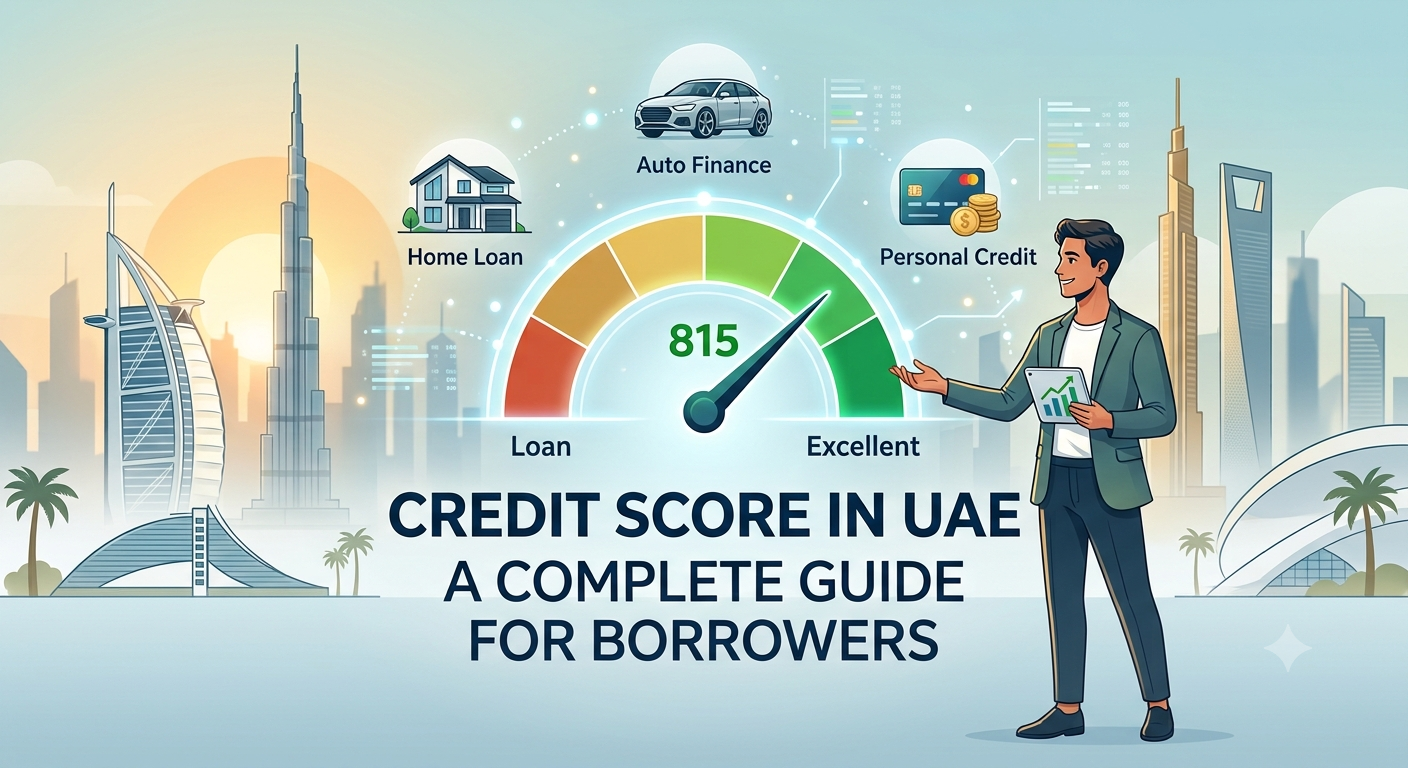
Your credit score reflects your financial discipline and repayment history. In the UAE, the Al Etihad Credit Bureau (AECB) maintains credit records for individuals.
A good credit score usually means:
- Lower risk for lenders
- Higher approval chances
- Better interest rates
If your credit score is poor, banks may reject your mortgage application even if your income meets the minimum salary for home loan in UAE.
Employment Stability
Banks prefer applicants who have been employed with the same company for at least six months to one year.
Stable employment shows that the borrower has a reliable income source, which reduces lending risk.
Age Requirement
Most banks have minimum and maximum age limits for mortgage applicants.
Typical guidelines include:
- Minimum age: 21 years
- Maximum age at loan maturity: 60–65 years for expatriates
- Up to 70 years for UAE nationals
Property Valuation
Before approving a loan, banks conduct a professional property valuation. The loan amount is determined based on the property’s market value.
Down Payment
Down payment requirements depend on property value:
- 20% for expatriates (property below AED 5 million)
- 25% for higher value properties
- 15% for UAE nationals
Even if your income meets the minimum salary for home loan in UAE, the down payment must be arranged separately since banks generally do not finance it.
Documentation
Mortgage applicants must submit several documents such as:
- Passport copy and visa
- Emirates ID
- Salary certificate
- Bank statements (6 months)
- Employment verification letter
Self-employed applicants may also need trade licenses and financial statements.
Homeownership Made Hassle-Free With My Mortgage
Purchasing property in the UAE can seem complicated, especially when understanding mortgage rules and lender requirements. From comparing interest rates to checking eligibility criteria like the minimum salary for home loan in UAE, the process involves many important decisions.
Working with experienced mortgage advisors can simplify the journey. Experts help you compare multiple banks, evaluate loan options, and find the most suitable mortgage based on your financial profile.
Instead of approaching lenders individually, mortgage specialists analyze your income, credit score, and financial goals to identify the best solutions available in the market.
Whether you are buying your first home or investing in property, having the right guidance ensures a smoother and faster approval process.
Get a Home Loan the Easy Way
Applying for a mortgage can feel overwhelming, especially when dealing with bank requirements, documentation, and eligibility rules. But with the right support, the process can become much simpler and faster.
Professional mortgage advisors can help you understand eligibility requirements, compare multiple lenders, and find solutions that match your financial profile. They guide you through every step—from application submission to final loan approval—so you can avoid delays and unnecessary stress.
FAQs
Q1 What is the minimum salary required to get a home loan in the UAE?
Ans – Most banks require a minimum monthly salary of around AED 10,000, although some lenders may accept applicants earning slightly less depending on their financial profile.
Q2 Can expatriates apply for a home loan in the UAE?
Ans -Yes, expatriates can apply for home loans in the UAE if they meet the bank’s eligibility criteria, including income requirements, credit score, and employment stability.
Q3 How much down payment is needed to buy a property in the UAE?
Ans -Typically, expatriates must pay at least 20% of the property value as a down payment, while UAE nationals may pay around 15%.
Q4 Does credit score affect home loan approval in the UAE?
Ans -Yes, banks check your credit history before approving a mortgage. A good credit score increases the chances of approval and may also help secure better interest rates.
Q5 Can I get a mortgage in the UAE if I am self-employed?
Ans -Yes, self-employed individuals can apply for home loans, but banks usually require additional documents such as trade licenses and financial statements.
Q6. How long does it take to get a home loan approved in the UAE?
Ans -Mortgage approval can take anywhere from a few days to a few weeks depending on the bank, documentation, and property valuation process.