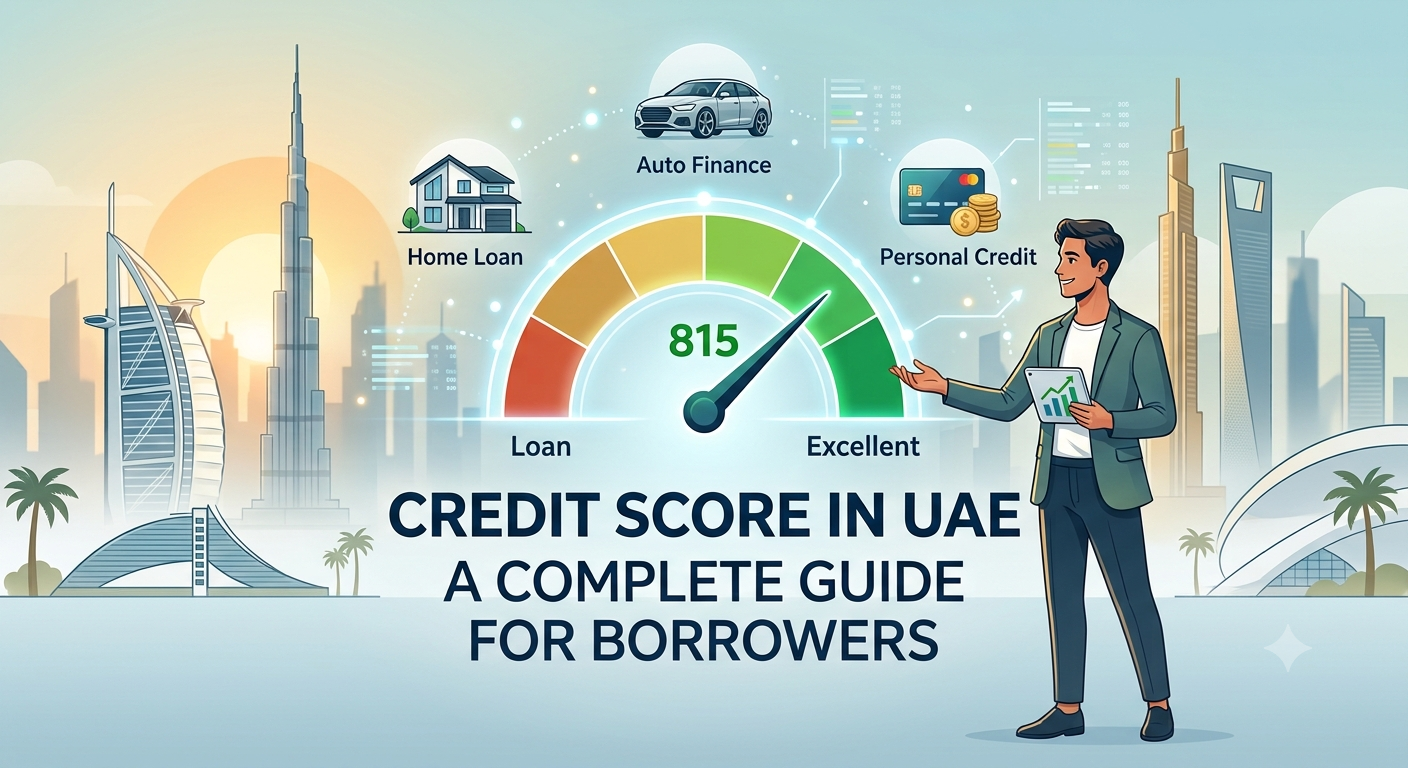
Getting a loan in the UAE has become a common financial need for individuals and businesses alike. Whether it’s for personal expenses, buying a home, or funding a business, your credit score plays a pivotal role in determining your eligibility. One of the most frequently asked questions among residents in the UAE is what is the minimum credit score for a loan in UAE
A credit score is essentially a numerical representation of your financial reliability. It reflects how responsibly you manage your debts, pay your bills, and maintain your financial commitments. In the UAE, lenders rely heavily on credit scores to assess the risk of lending money. Knowing your credit score and understanding its implications can help you make better financial decisions.
What Is a Credit Score?
Before diving into the minimum credit score required for a loan, it’s important to understand what a credit score is. A credit score is usually a three-digit number, ranging from a low score, indicating high risk, to a high score, reflecting financial responsibility. This score is calculated based on several factors, including:
- Payment history: Timely payments on previous loans and credit cards.
- Outstanding debt: The amount you currently owe on loans or credit cards.
- Length of credit history: How long you’ve been using credit.
- Types of credit used: Credit cards, personal loans, and other financial instruments.
- Recent credit inquiries: How often have you applied for new credit.
A strong credit score increases your chances of getting approved for a loan and often results in lower interest rates. On the other hand, a low score can limit your options or result in higher repayment costs.
Importance of Knowing the Minimum Credit Score for Loan in UAE
Understanding the minimum credit score for loan in uae is crucial for several reasons:
- Eligibility Check: Before applying, knowing the required credit score can save time and prevent unnecessary rejections.
- Better Loan Offers: Borrowers with scores above the minimum threshold often get access to more favorable loan terms.
- Financial Planning: Knowing your score helps you plan how much to borrow and the repayment strategy.
- Awareness of Credit Health: Monitoring your credit score regularly helps you understand and improve your financial habits.
Lenders in the UAE use this minimum credit score in uae as a baseline to evaluate applicants. While some lenders may consider slightly lower scores with higher interest rates or collateral, meeting the minimum score makes the process smoother.
Typical Credit Score Ranges in the UAE
Credit scores in the UAE are generally categorised into ranges that indicate financial reliability. While exact thresholds may vary slightly among lenders, the general ranges are:
- Excellent (800+): Very low risk, eligible for higher loan amounts and lower interest rates.
- Good (700-799): Low risk, still eligible for most loans with favorable terms.
- Fair (600-699): Medium risk, loans may be approved but at higher interest rates.
- Poor (300-599): High risk, may face loan rejections or require collateral.
For most personal and business loans in the UAE, the minimum credit score for eligibility typically falls between 600 and 650. This range indicates a fair level of financial responsibility but may still require additional documentation or slightly higher interest rates.
Factors Affecting Your Credit Score
Several factors can affect your credit score, directly impacting your eligibility for loans. These include:
- Late Payments: Missing payments on any type of loan or credit card can reduce your score.
- High Debt-to-Income Ratio: Borrowers with high debt relative to income may appear risky.
- Frequent Loan Applications: Constantly applying for new credit can lower your score.
- Short Credit History: Having a limited credit history makes it harder for lenders to assess reliability.
- Defaults and Settlements: Loans that were not fully paid or settled can severely impact your score.
Understanding these factors allows you to take proactive steps to maintain or improve your credit score, ensuring eligibility for loans when needed.
How Lenders Assess Creditworthiness in the UAE
When you apply for a loan, lenders look beyond just the minimum credit score. They evaluate your overall creditworthiness, including:
- Income Stability: A steady income demonstrates the ability to repay the loan.
- Employment History: A longer tenure in your job or business can strengthen your application.
- Existing Debts: Lenders consider how much debt you already have.
- Credit Utilisation: Low utilization of available credit often signals responsible borrowing.
- Collateral (if applicable): For secured loans, assets offered as collateral can supplement a lower score.
Even if you meet the minimum credit score for a loan in the UAE, presenting a strong overall financial profile can increase your chances of approval and better loan terms.
Improving Your Chances of Loan Approval
If your credit score is near the minimum required for a loan, there are practical steps to enhance your eligibility:
- Pay Bills on Time: Ensure all credit obligations are met without delay.
- Reduce Outstanding Debt: Paying off existing loans or credit card balances improves your score.
- Limit New Credit Applications: Avoid applying for multiple loans at once.
- Check Your Credit Report: Regularly monitor for errors or discrepancies and correct them.
- Maintain a Healthy Credit Mix: A balance between secured and unsecured credit shows financial maturity.
Following these steps not only helps meet the minimum credit score for loan requirements but can also lead to better loan conditions, including lower interest rates.
Types of Loans in UAE and Credit Score Requirements
Different types of loans have varied credit score expectations. Understanding these requirements can help you prepare accordingly:
Personal Loans
Personal loans are commonly used for expenses like travel, education, or medical emergencies. Typically, lenders prefer a credit score above the minimum threshold of 600-650 for approval. However, borrowers with higher scores enjoy lower interest rates.
Home Loans
Home loans or mortgages usually demand higher credit scores. A score in the 700+ range is often preferred for competitive interest rates, although some lenders accept scores closer to the minimum with additional financial documentation.
Business Loans
Business loans in the UAE assess both personal and business credit histories. Entrepreneurs may qualify with a score at or slightly above the minimum credit score for loan eligibility, depending on their business plan and collateral.
Auto Loans
For car financing, lenders may accept borrowers closer to the minimum credit score range. A higher score, however, increases loan approval chances and may reduce the interest paid over time.
Common Myths About Credit Scores in UAE
There are several misconceptions about credit scores that can mislead borrowers:
- Myth 1: Only high-income individuals get loans.
Income matters, but credit behaviour and score are more critical indicators for lenders. - Myth 2: A low score means you cannot get any loan.
Some lenders may still approve loans with collateral or higher interest rates. - Myth 3: Checking your own credit score lowers it.
Monitoring your credit report is a soft inquiry and does not affect your score.
Understanding these myths can help borrowers approach the loan application process more confidently.
How to Check Your Credit Score in UAE
Checking your credit score regularly is essential. You can request a credit report from authorised financial institutions or credit bureaus. These reports provide:
- Your current credit score
- Details of past loans and repayments
- Outstanding debts
- Any defaults or discrepancies
Regular monitoring helps identify areas that need improvement before applying for a loan.
Tips to Maintain a Good Credit Score
Maintaining a good credit score is as important as reaching the minimum score. Here are some practical tips:
- Pay all bills, loans, and credit card dues on time
- Keep credit utilisation below 30% of your total available credit
- Avoid frequent credit applications
- Build a history of long-term responsible borrowing
- Monitor credit reports and dispute errors promptly
These habits not only improve eligibility for loans but also reduce financial stress and increase financial opportunities.
Understanding the Impact of Credit Score on Loan Terms
A higher credit score can significantly affect the terms of your loan:
- Lower Interest Rates: Borrowers with higher scores often get more favourable rates.
- Higher Loan Amounts: Better scores increase the chance of larger loan approvals.
- Flexible Repayment Options: Strong credit history can lead to more customised repayment plans.
- Faster Approval: Lenders often process applications more quickly for borrowers with good credit scores.
Meeting the minimum credit score for a loan in the UAE is just the first step; improving it can unlock better financial flexibility.
Common Mistakes That Lower Credit Score
Several common mistakes can bring your score down, even if you previously had a good credit record:
- Missing or late payments on credit cards or loans
- Maxing out credit cards
- Ignoring small debts or utility bills
- Frequently applying for new credit lines
- Failing to monitor your credit report for errors
Avoiding these mistakes helps maintain your score above the minimum requirement for loans in UAE.
How Life Events Affect Credit Score
Life events can also influence your credit score:
- Job Change or Income Reduction: Can temporarily affect your debt repayment ability
- Medical Emergencies: May lead to missed payments
- Business Losses: Entrepreneurs may experience fluctuations in their personal credit scores
Being proactive in managing finances during life events helps sustain your credit score, ensuring loan eligibility.
Strategies to Meet Minimum Credit Score Requirements Quickly
If your score is below the minimum credit score for loan approval in the UAE, consider the following strategies:
- Settle Outstanding Debts: Prioritize paying off loans or credit card balances.
- Make Timely Payments: Use automatic reminders or online banking tools.
- Avoid Applying for Multiple Loans: Space out loan applications over months.
- Diversify Credit Portfolio: Use a mix of secured and unsecured credit responsibly.
- Monitor and Correct Errors: Regularly review your credit report for mistakes.
Following these strategies can help you reach the minimum threshold faster, making loan approval easier.
Improve Your Credit Score Starting Today
The journey to a better credit score starts with small, consistent steps. Paying bills on time, reducing existing debts, and monitoring your credit report are foundational actions. Avoid unnecessary credit applications, maintain a healthy credit mix, and focus on building long-term financial habits. By taking these measures today, you can gradually surpass the minimum credit score for loans in the UAE and enjoy easier access to financial opportunities in the future.
FAQ
Q1. What is the minimum credit score needed for a personal loan in UAE?
Most lenders in the UAE require a minimum credit score of around 600-650 to approve personal loans. This score reflects a fair level of financial responsibility. While meeting the minimum makes you eligible, having a higher score can help you get better interest rates and larger loan amounts.
Q2. Can I get a loan in the UAE if my credit score is below the minimum?
Yes, but it may be more challenging. Lenders might require collateral, a co-signer, or higher interest rates if your credit score is below the minimum threshold. Improving your score by paying off debts and avoiding late payments can increase your chances of approval.
Q3. How can I check my credit score in UAE?
You can check your credit score through authorised financial institutions or official credit bureaus in the UAE. Your report will show your current score, outstanding debts, repayment history, and any defaults. Regularly checking your score helps identify issues before applying for a loan.
Q4. How does my credit score affect the interest rate of a loan?
Your credit score directly impacts the interest rate you receive. Borrowers with scores above the minimum usually qualify for lower rates, while those closer to the minimum or with poor scores may face higher interest rates. Maintaining a strong credit score ensures better loan terms.
Q5. How can I quickly improve my credit score before applying for a loan?
Pay bills on time, reduce outstanding debts, avoid multiple loan applications, and check your credit report for errors. These steps can help boost your score fast.